Strategies fail because entrepreneurs seek solutions for single, one-dimensional problems. The golden opportunity; a new product to overpower competition; digital transformation. Reality is, to be able to implement a strategy succesfully, business owners and CEOs need to adopt a holistic approach and encompass carefully coordinated choices across their business.

Strategic marketing is a vital aspect of any business, but it does not always guarantee success. In fact, many businesses fail to achieve their intended outcomes despite having a solid marketing plan in place. Here are some reasons why strategic marketing may fail:
- Inadequate Research: Research is a critical component of strategic marketing. Without proper market research, it is impossible to identify the target audience, understand their needs, and develop a compelling message that resonates with them. If the research is inadequate, the marketing strategy is likely to miss the mark.
- Poor Implementation: Even with a solid marketing plan, execution is key to achieving the intended results. Poor implementation can lead to missed opportunities or even harm the brand’s reputation. It is essential to ensure that the marketing strategy is implemented correctly, and all team members are on the same page.
- Wrong Strategy: A marketing strategy that works for one business may not work for another. It is critical to develop a strategy that aligns with the company’s goals, target audience, and brand personality. A wrong strategy can result in a lack of engagement or even alienate the intended audience.
- Lack of Flexibility: Markets are constantly evolving, and a strategy that worked yesterday may not work today. It is essential to remain flexible and adapt the marketing strategy to changing market conditions, consumer preferences, and emerging trends.
- Inconsistent Branding: A consistent brand image is crucial to building brand recognition and trust. Inconsistent branding can confuse the audience, dilute the brand message, and harm the brand’s reputation.
A communication plan is an essential tool for any company that wants to effectively communicate with its stakeholders. Whether it’s employees, customers, investors, or the general public, a communication plan ensures that the right messages are delivered at the right time through the right channels.
One of the key benefits of a communication plan is that it helps to build trust and credibility. When a company communicates transparently and consistently, it shows that it values its stakeholders and is committed to keeping them informed. This can go a long way in building long-term relationships and loyalty.
Another benefit of a communication plan is that it helps to manage crises and mitigate risks. In the event of an incident or issue, having a pre-prepared communication plan can ensure that the company responds quickly and effectively, minimizing damage to its reputation and business operations.
A communication plan also helps to ensure that everyone in the company is on the same page. By establishing clear communication channels and protocols, it can prevent misunderstandings and miscommunication, which can lead to costly mistakes and delays.
Furthermore, a communication plan can help to increase engagement and buy-in from employees. When employees understand the company’s vision, mission, and goals, they are more likely to feel invested in the company’s success and take ownership of their roles.
Cyprus Diaspora Forum: expanding horizons
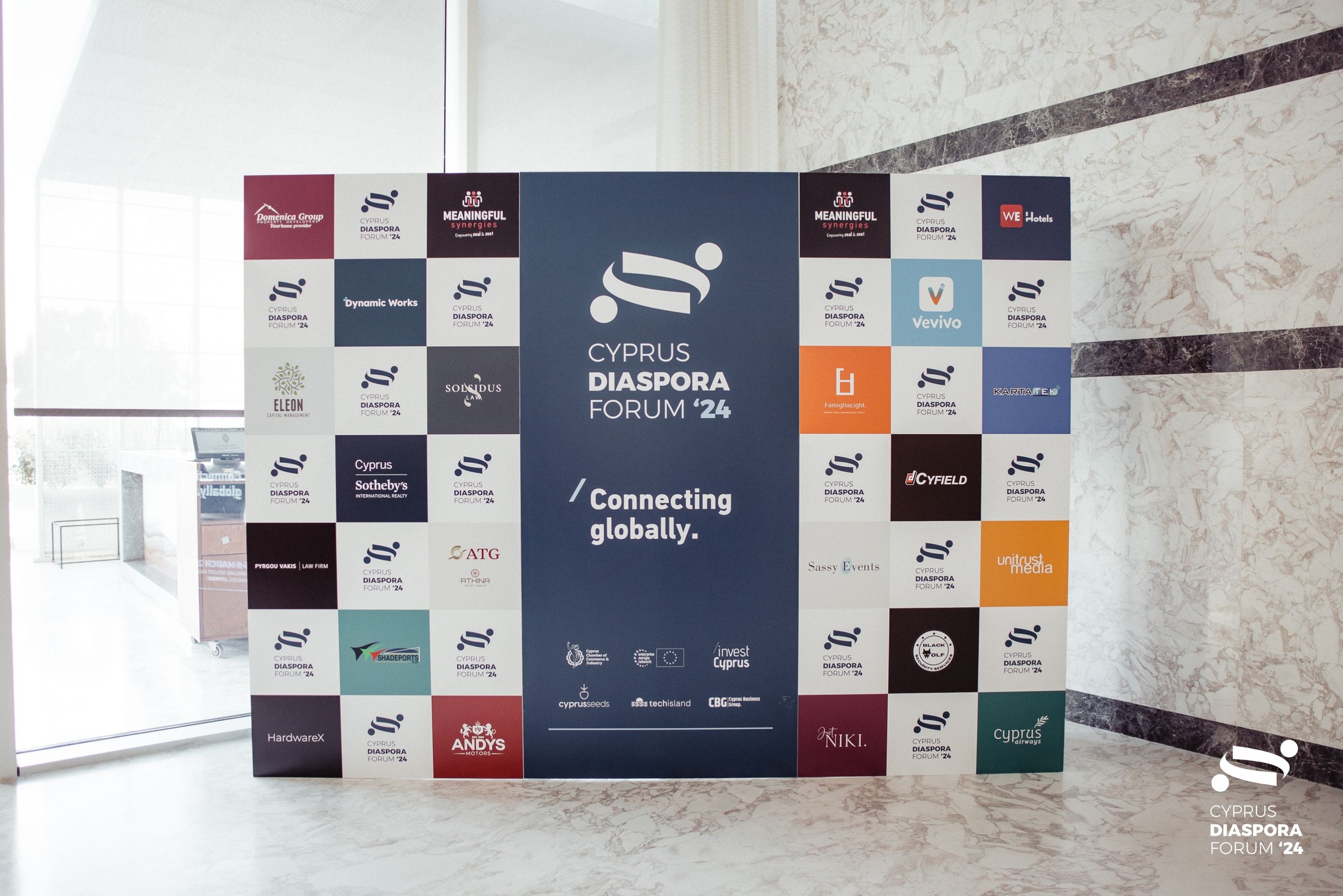
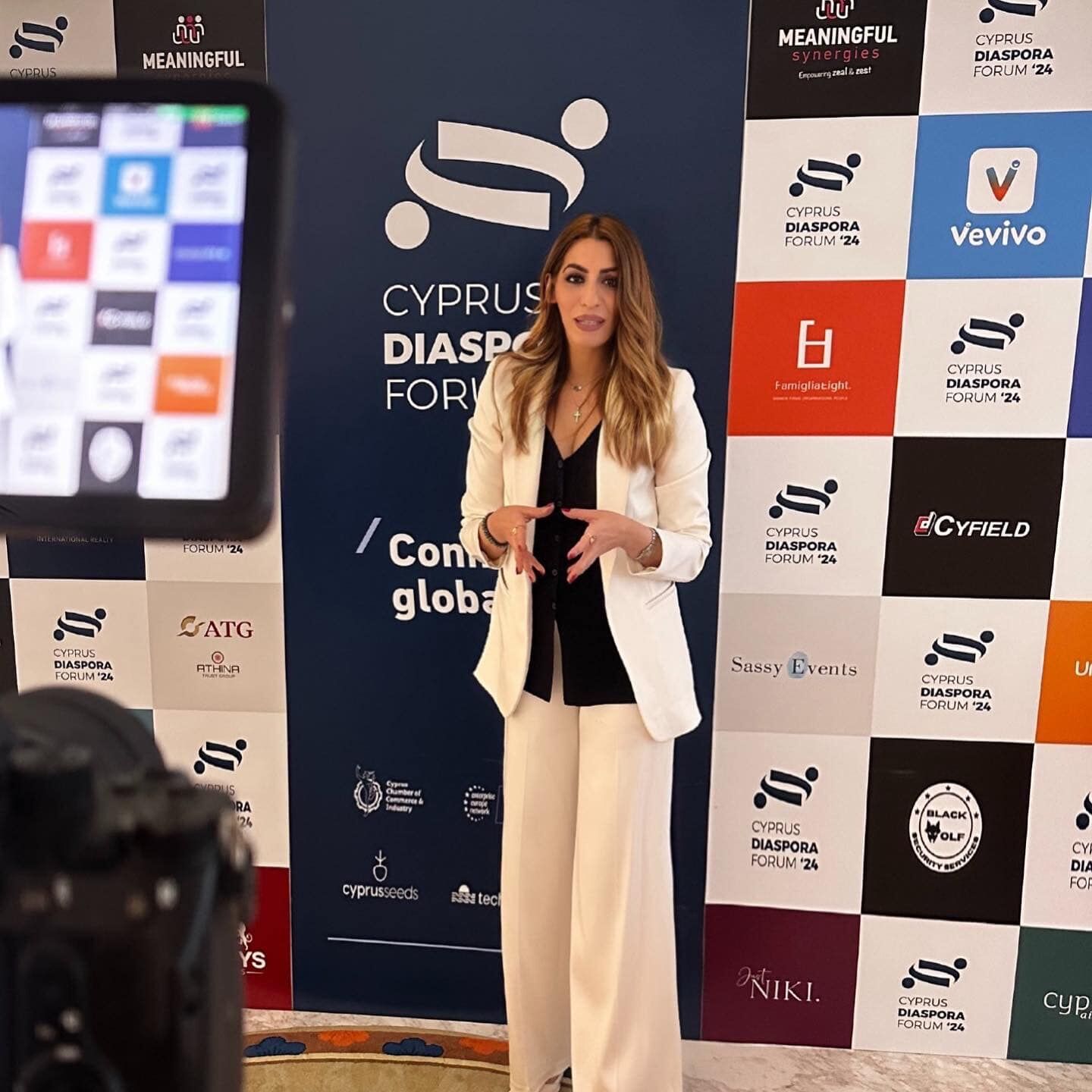
The first Cyprus Diaspora Forum, held in March 2024 in Limassol, brought together Cypriots from around the world for a four-day celebration of achievement and connection. Famiglia Eight was a Partner to the event, contributing significantly with insights, participation and PR. The event aimed to:
- Recognise the Significance of the Diaspora: The forum highlighted the important role Cypriots living abroad play in promoting the island nation’s culture, economy, and innovation.
- Foster Stronger Relations: Through networking events, panel discussions, and cultural activities, the forum fostered stronger ties between Cypriots in Cyprus and the global diaspora.
- Explore Collaboration: Discussions focused on areas of collaboration, such as entrepreneurship, philanthropy, and investment, with the goal of leveraging the diaspora’s expertise and resources for Cyprus’s benefit.
The forum featured roughly 200 speakers including prominent figures from business, government, academia, and civil society. Sessions covered a wide range of topics, including:
- The Successes of the Diaspora: Entrepreneurs and leaders from the global Cypriot community shared their stories and insights, inspiring attendees and showcasing the diaspora’s potential.
- The Role of the Diaspora as Brand Ambassadors: Discussions explored how Cypriots abroad can promote Cyprus as a tourist destination, a business hub, and a center for cultural exchange.
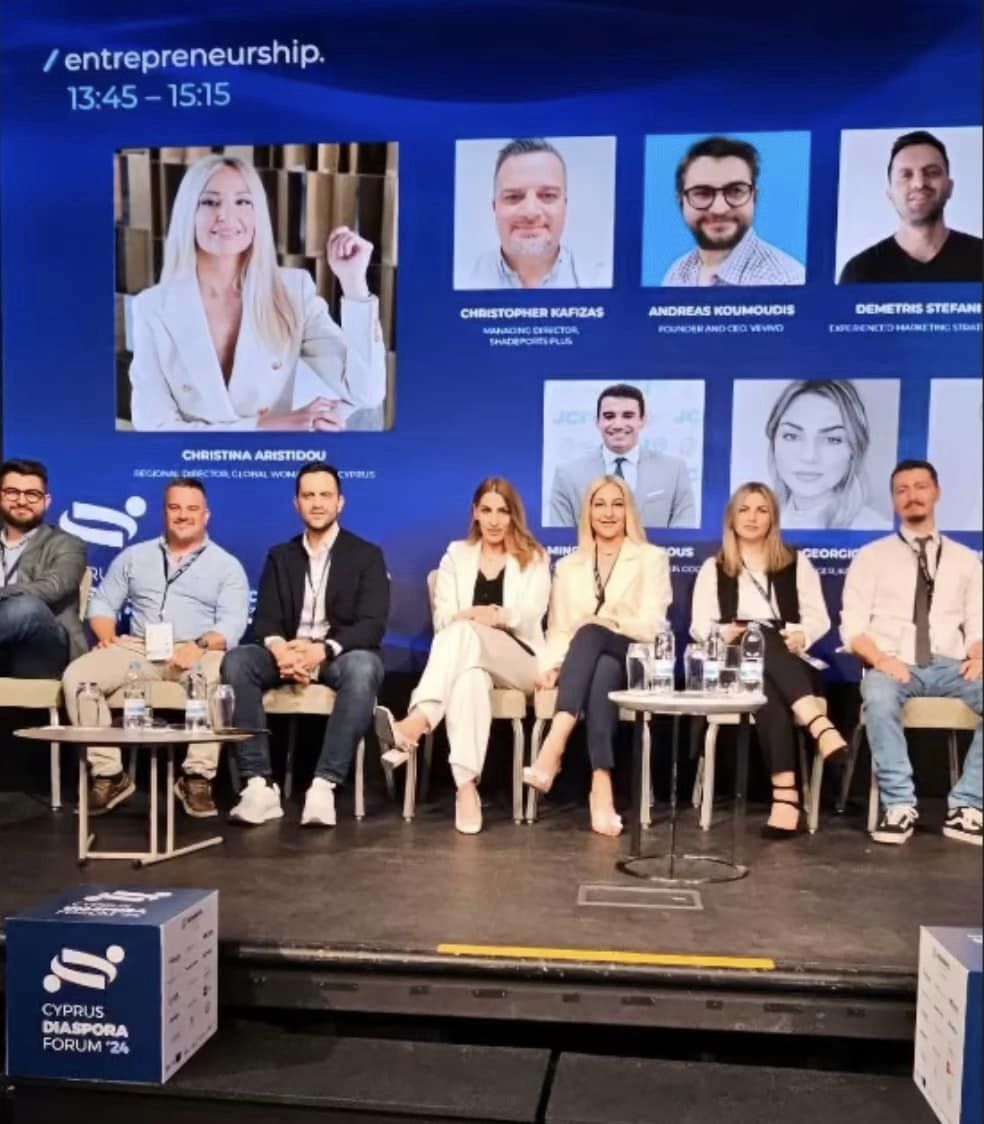
- Entrepreneurship: The role of entrepreneurship in fostering global relations, key lessons for success and the importance of brand building. Our CEO participated in this Panel providing key insights on brand equity and building business.
The first-ever Cyprus Diaspora Forum proved to be a resounding success. By bringing together a global network of talented and passionate individuals, the forum laid the groundwork for continued collaboration and a brighter future for Cyprus.
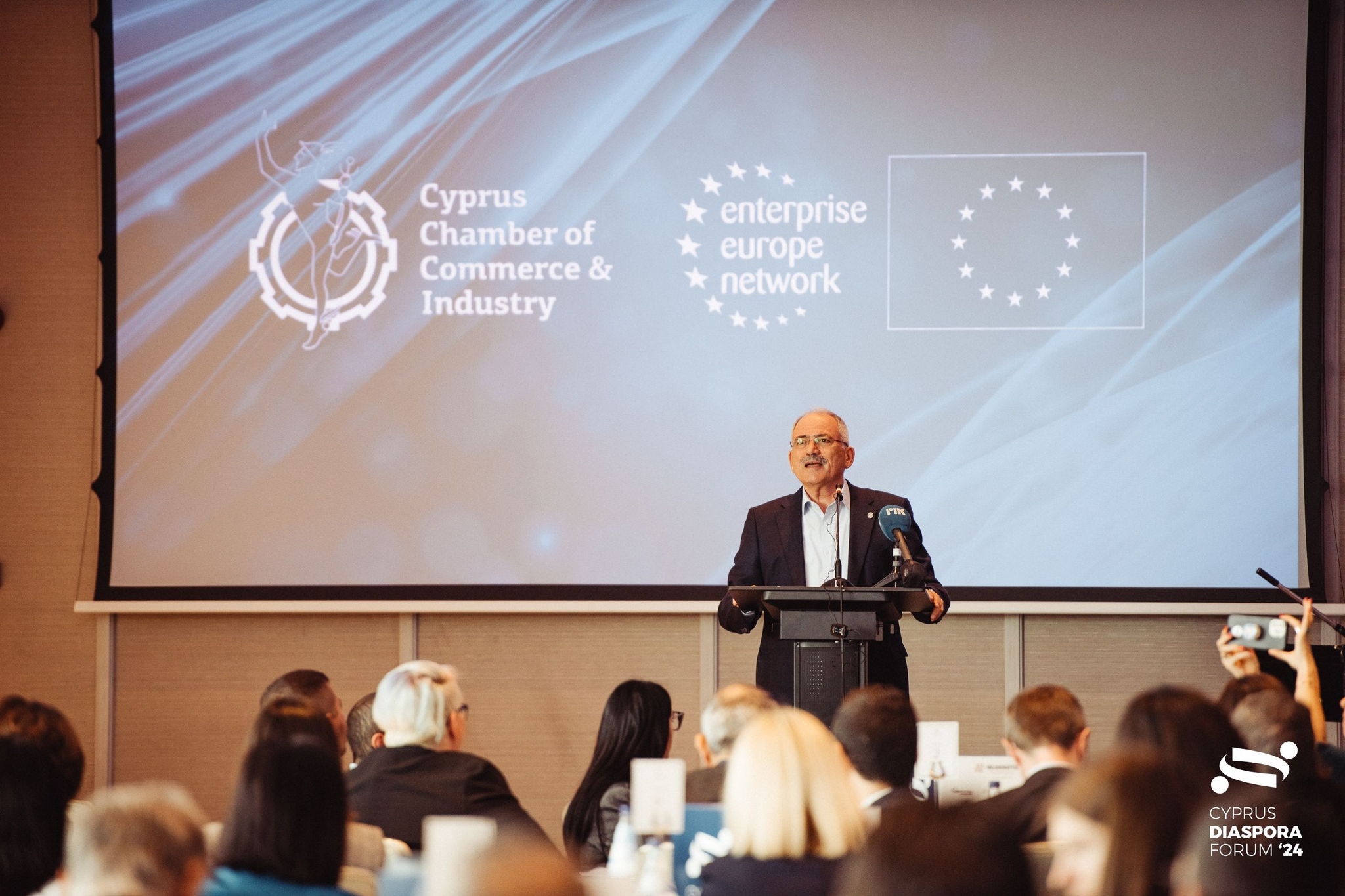
The Cyprus Diaspora Forum kicked off with an exclusive breakfast gathering, featuring Limassol Mayor Mr. Nicos Nicolaides. He emphasized the critical role of the diaspora in building bridges and uniting efforts to support Cyprus across political, business, and cultural spheres.
Prominent figures like entrepreneur and philanthropist John Christodoulou, Invest Cyprus President Marios Tanousis, Dynamic Works CEO and co-founder Angelos Gregoriou, and RIK General Manager Thanasis Tsokkos, all addressed the breakfast, underlining the diaspora’s significance and offering valuable perspectives on Cyprus’s future and global image.
At the opening ceremony, graced by the American Ambassador and the Australian High Commissioner, Paul Lambis, the forum’s founder, delivered a welcome address. He highlighted Cyprus’s transformation into a vibrant business hub brimming with investment and employment opportunities for both locals and international talents.
The following 4 days included panels on interesting topics such as hospitality and tourism, entrepreneurship, the future of business, media and culture and many more. Entrepreneurs, policy-makers, stakeholders and the business world from Cyprus and abroad, shared valuable insights on their respective topics, generating lively dialogue and excellent thought leadership.

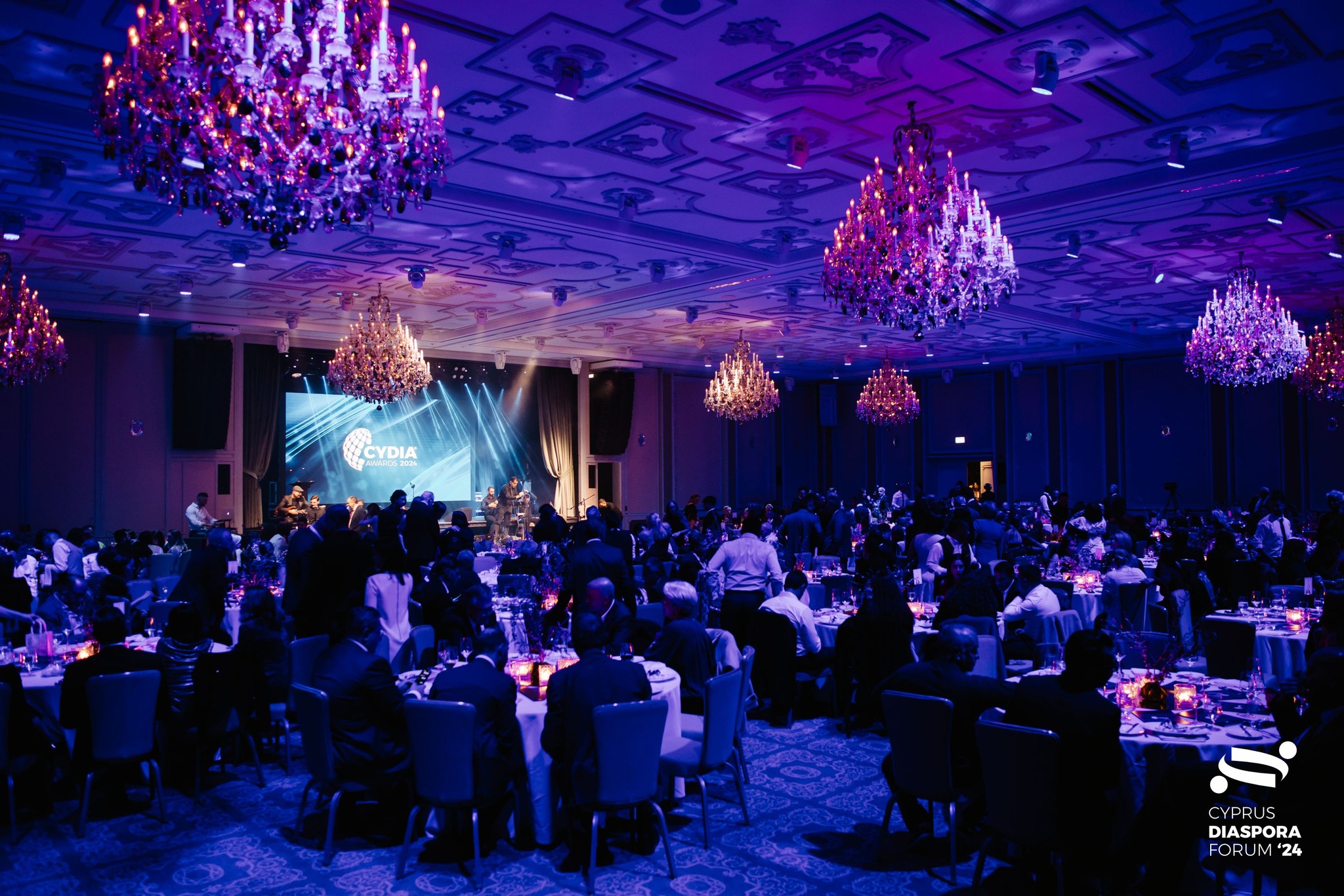
The event concluded with an impressive gala dinner attended by more than 350 people, with a rich entertainment programme, referencing the Cyprus traditions and notable local artists who are making waves in Europe. The gala also included the 1st CYDIA Awards, given to individuals who have made their mark on the global stage. The Lifetime Achievement Award was given to Mrs Tasoula Hadjitofi, “The Icon Hunter,” who is renowned worldwide for her work combatting art trafficking. In 1997, she coordinated “The Munich Case,” one of the largest art trafficking sting operations in European history since WWII. More than 5000 artifacts were found hidden in the double ceilings and hollow floors of the Munich apartments of Aydin Dikmen, a Turkish dealer known as “The Archaeologist.” Tasoula’s work as a campaigner to protect the world’s cultural heritage spans over 30 years.
The Cyprus Diaspora Forum generated a wave of positive buzz, captivating participants and garnering significant attention from local and global media outlets. Fueled by this success, the Forum’s founders are already charting a course for year two, promising an even grander event in 2025.