It’s always the way the story goes; a client sends a brief and expects execution. Numerous suggestions are provided, usually creatively based by teams who know how to draw and execute. The major campaign happens, the amazing graphics run the city, the majestic event gathers everyone who is anyone, and yet no sales. No conversions. No tangible RoI. Enters the era of brand vs. brand marketing or as I like to call it the era where creative consultancy is expected to step up and provide more than implementation: agencies in the big metropolis of the world locate new opportunity, offer a multi-dimensional service of business development, strategy and creative, all blended to make everyone feel good: audiences and boards of directors alike.
A business brief should definitely focus on complete product and channel management, not just the creative briefs. Many agencies work with new business and start-ups in a similar manner, designing the business of the brand to give people a specific, holistic experience. At the same time, agencies must also find ways to solve the struggle between prioritising performance marketing over brand building marketing. Brand building is a long-term investment, and performance marketing is about generating revenue in the here and now. The big bet lies in the balance and in finding ways to measure brand equity – clients might seem excited for awesome creative in the short-run or for a highly emotional storyline engaging audiences, but they won’t sustain their budget for long if numbers don’t do the talking.
The goal of all positioning choices and activation activities is to grow brand equity. To measure brand equity (and in this way to achieve both balance towards performance marketing but also position the business at the centre of operations; not merely the brand), we can employ four main elements to strategise and evaluate our activities: familiarity, the degree to which consumers feel they know and understand a brand, beyond just being aware of its existence; regard, how much consumers like and respect a brand; meaning, the relevance that consumers perceive a brand has to their lives; and uniqueness, the differentiation that consumers see in a brand.
Both performance marketing and fast-track brand marketing (driven by wrongly placed social media content) creates one thing that often misleads clients: the generation of false positives. For example, price-point performance-marketing campaigns may be increasing click-through rates—but with the wrong audience and in ways that work against brand growth with the right audience (as defined by the company’s brand-growth strategy). The consequences are much more grave: large brands all over the world are now heavily investing in the BUSINESS of their BRAND because as Executives feel, their brand has lost touch with their target audience base.
A marketing, comms and PR agency must solve much bigger problems for the business by addressing the totality of how products and services get delivered. In the process, they can train talent to see and think systemically and reverse the short-term preoccupation in the C-suite.
One way to consider business development in your brand marketing is to focus on brand over brand marketing. This means creating marketing campaigns that focus on the benefits of your brand, rather than the features of your products or services. When you focus on brand over brand marketing, you’re essentially selling the promise of your brand to your target audience.
A marketing, comms and PR agency must solve much bigger problems for the business by addressing the totality of why products and services are needed and how they are delivered.

A company with a strong business model which places the brand as a tangible business asset will be able to consistently deliver high-quality products or services that meet the needs of its customers. This will lead to repeat business and positive word-of-mouth, which will help to build the brand over time and create sustained conversion.
On the other hand, a company which considers the brand as a side effect or that pre-occupies itself too much with the brand visuals rather than the brand meaning will struggle to attract and retain customers, no matter how strong its brand is. This is because the products or services that the company offers will not be able to meet the needs of its customers and adapt to the changing nature of the market.
As a result, it is more important for a company to focus on the business of the brand than the brand of the business. If the business is strong, the brand will follow.
- A strong business model can help a company weather storms. When the economy is tough or there is a change in the market, a company with a strong brand model will be more likely to survive. This is because the company will be able to adapt to the changing environment and continue to deliver both practical and emotional value to its customers.
- A strong brand model can help a company grow. When a company has a strong brand model, it can grow by expanding its product offerings, entering new markets, or acquiring other companies. This will help the company to reach more customers and diversify into new markets.
As a key take-away, brand building can have its own KPIs, they are linked to financial performance with high periodicity, and the people responsible for brand-building decisions can be held accountable for them—and rewarded accordingly. At the same time, including brand growth as a metric in performance marketing strikes the right balance in leveraging budgets towards all end: short-term conversions, long-term growth.
Do you want to find out more? See how we help clients achieve meaningful brand growth here
Cyprus Diaspora Forum: expanding horizons
The first Cyprus Diaspora Forum, held in March 2024 in Limassol, brought together Cypriots from around the world for a four-day celebration of achievement and connection. Famiglia Eight was a Partner to the event, contributing significantly with insights, participation and PR. The event aimed to:
- Recognise the Significance of the Diaspora: The forum highlighted the important role Cypriots living abroad play in promoting the island nation’s culture, economy, and innovation.
- Foster Stronger Relations: Through networking events, panel discussions, and cultural activities, the forum fostered stronger ties between Cypriots in Cyprus and the global diaspora.
- Explore Collaboration: Discussions focused on areas of collaboration, such as entrepreneurship, philanthropy, and investment, with the goal of leveraging the diaspora’s expertise and resources for Cyprus’s benefit.
The forum featured roughly 200 speakers including prominent figures from business, government, academia, and civil society. Sessions covered a wide range of topics, including:
- The Successes of the Diaspora: Entrepreneurs and leaders from the global Cypriot community shared their stories and insights, inspiring attendees and showcasing the diaspora’s potential.
- The Role of the Diaspora as Brand Ambassadors: Discussions explored how Cypriots abroad can promote Cyprus as a tourist destination, a business hub, and a center for cultural exchange.
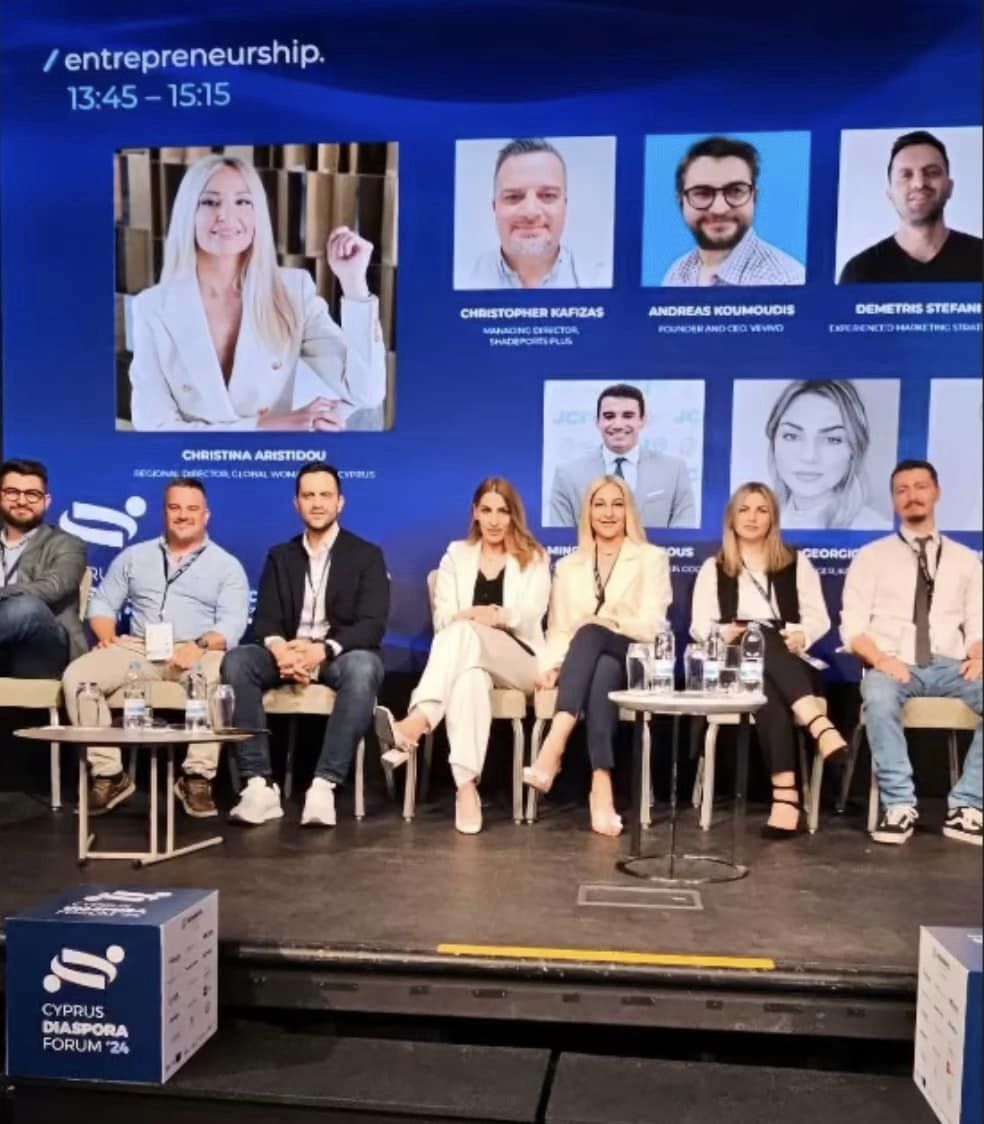
- Entrepreneurship: The role of entrepreneurship in fostering global relations, key lessons for success and the importance of brand building. Our CEO participated in this Panel providing key insights on brand equity and building business.
The first-ever Cyprus Diaspora Forum proved to be a resounding success. By bringing together a global network of talented and passionate individuals, the forum laid the groundwork for continued collaboration and a brighter future for Cyprus.
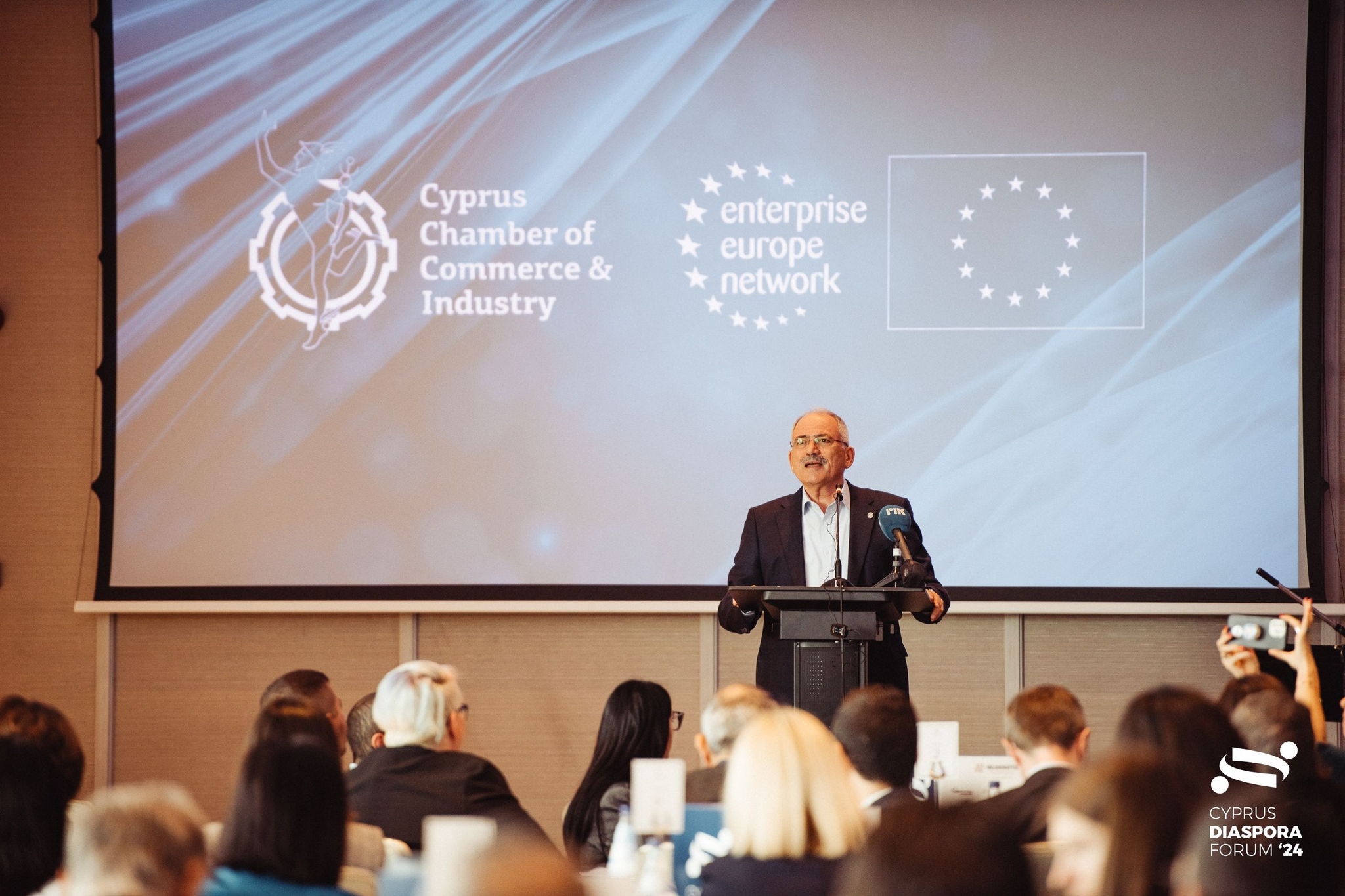
The Cyprus Diaspora Forum kicked off with an exclusive breakfast gathering, featuring Limassol Mayor Mr. Nicos Nicolaides. He emphasized the critical role of the diaspora in building bridges and uniting efforts to support Cyprus across political, business, and cultural spheres.
Prominent figures like entrepreneur and philanthropist John Christodoulou, Invest Cyprus President Marios Tanousis, Dynamic Works CEO and co-founder Angelos Gregoriou, and RIK General Manager Thanasis Tsokkos, all addressed the breakfast, underlining the diaspora’s significance and offering valuable perspectives on Cyprus’s future and global image.
At the opening ceremony, graced by the American Ambassador and the Australian High Commissioner, Paul Lambis, the forum’s founder, delivered a welcome address. He highlighted Cyprus’s transformation into a vibrant business hub brimming with investment and employment opportunities for both locals and international talents.
The following 4 days included panels on interesting topics such as hospitality and tourism, entrepreneurship, the future of business, media and culture and many more. Entrepreneurs, policy-makers, stakeholders and the business world from Cyprus and abroad, shared valuable insights on their respective topics, generating lively dialogue and excellent thought leadership.
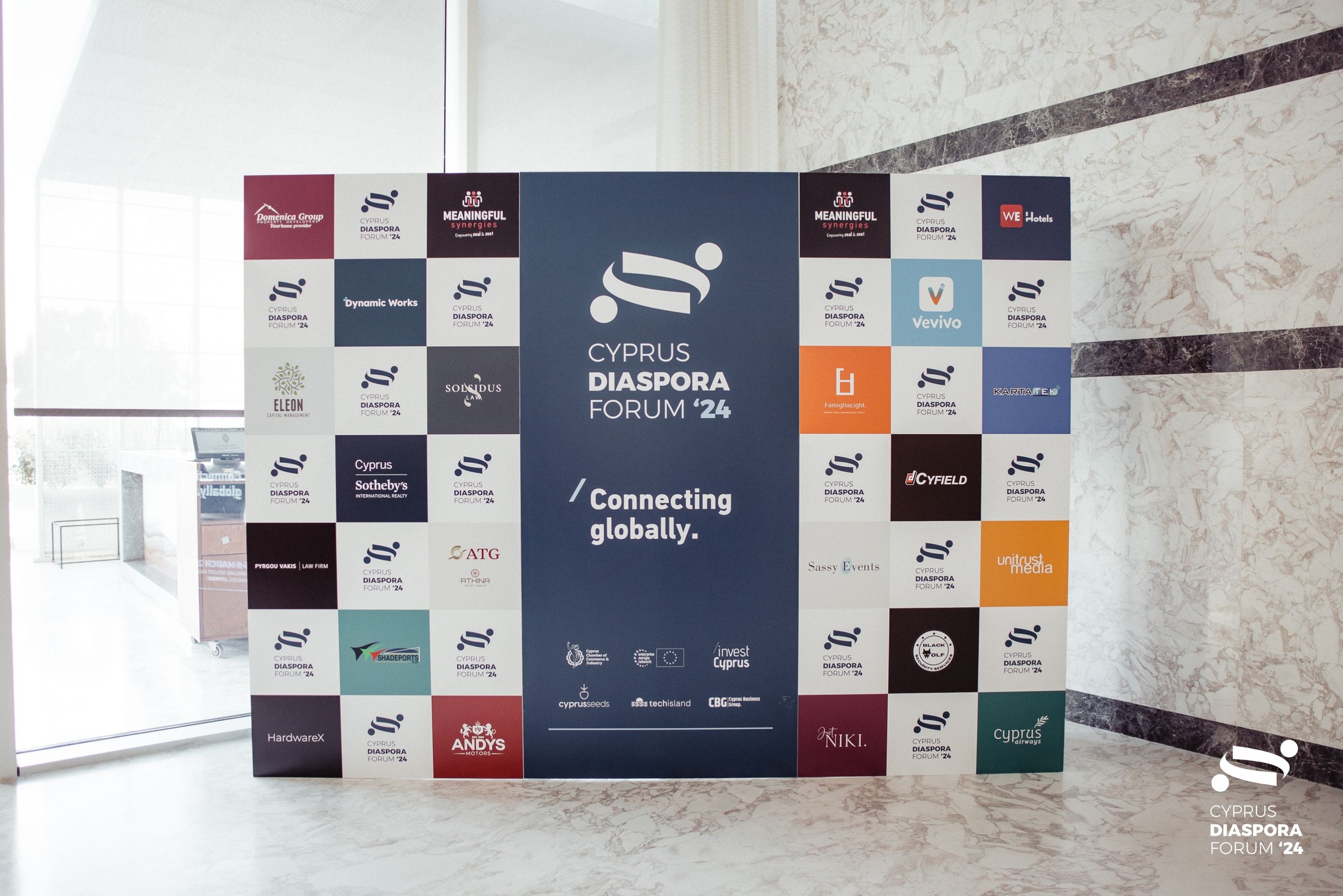
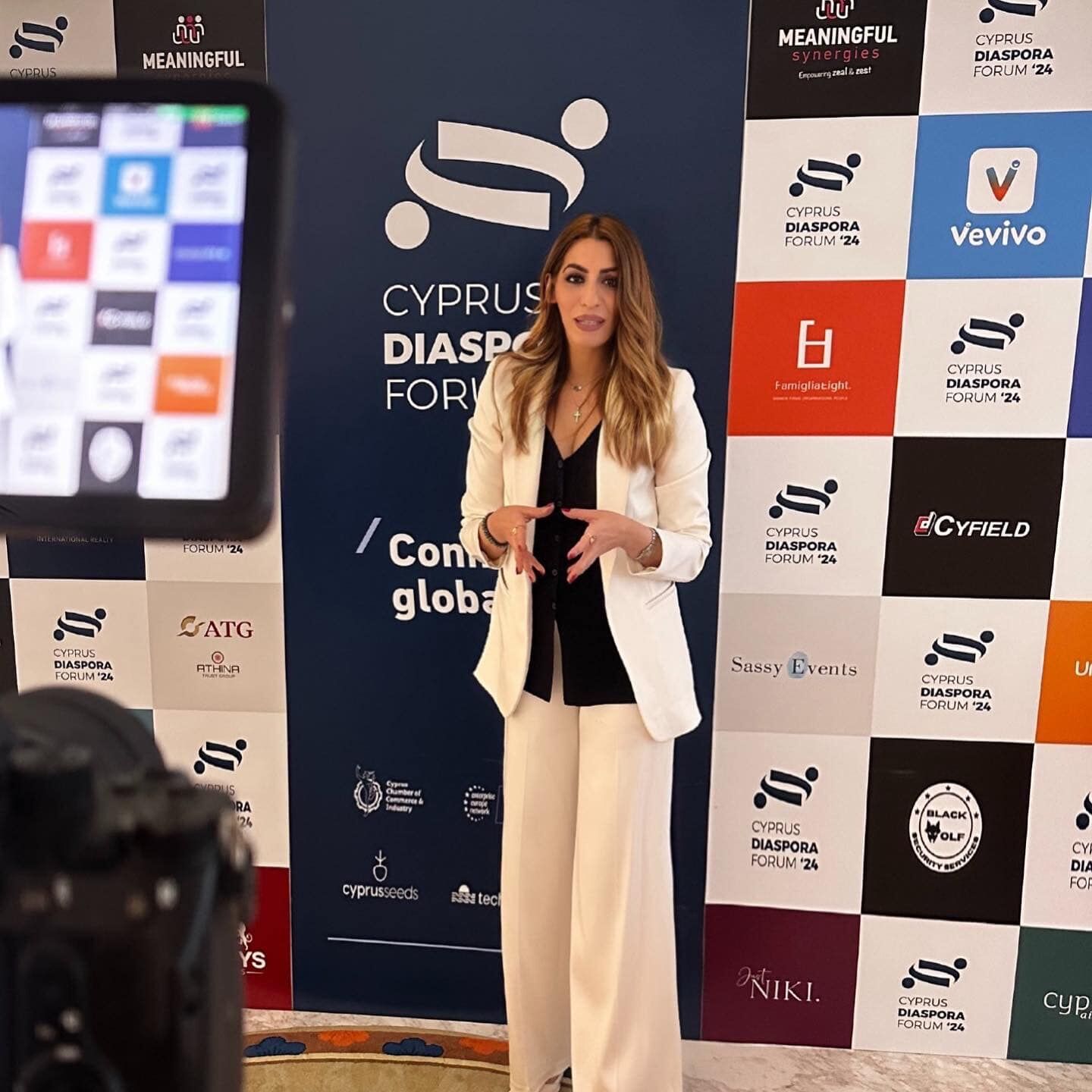

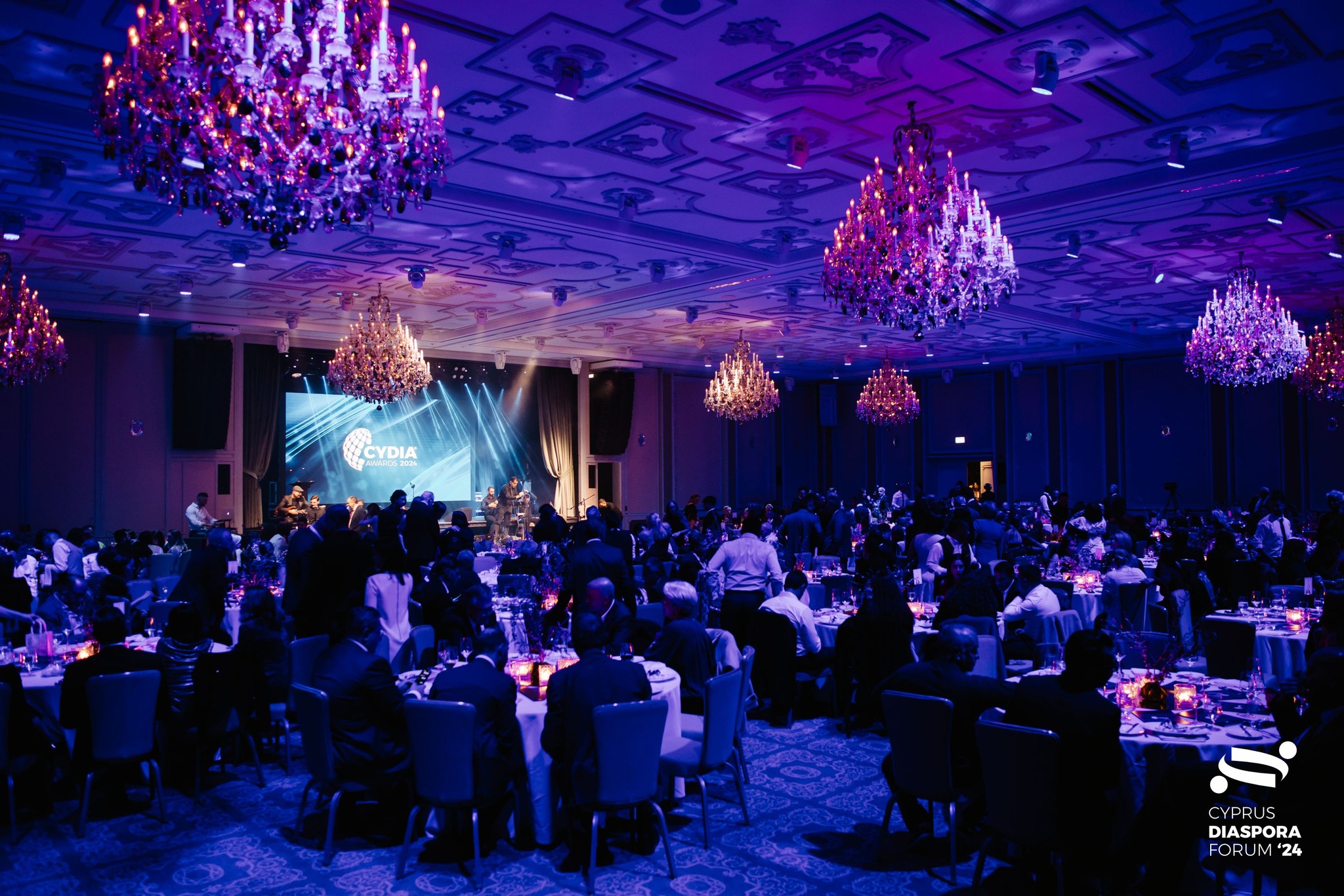
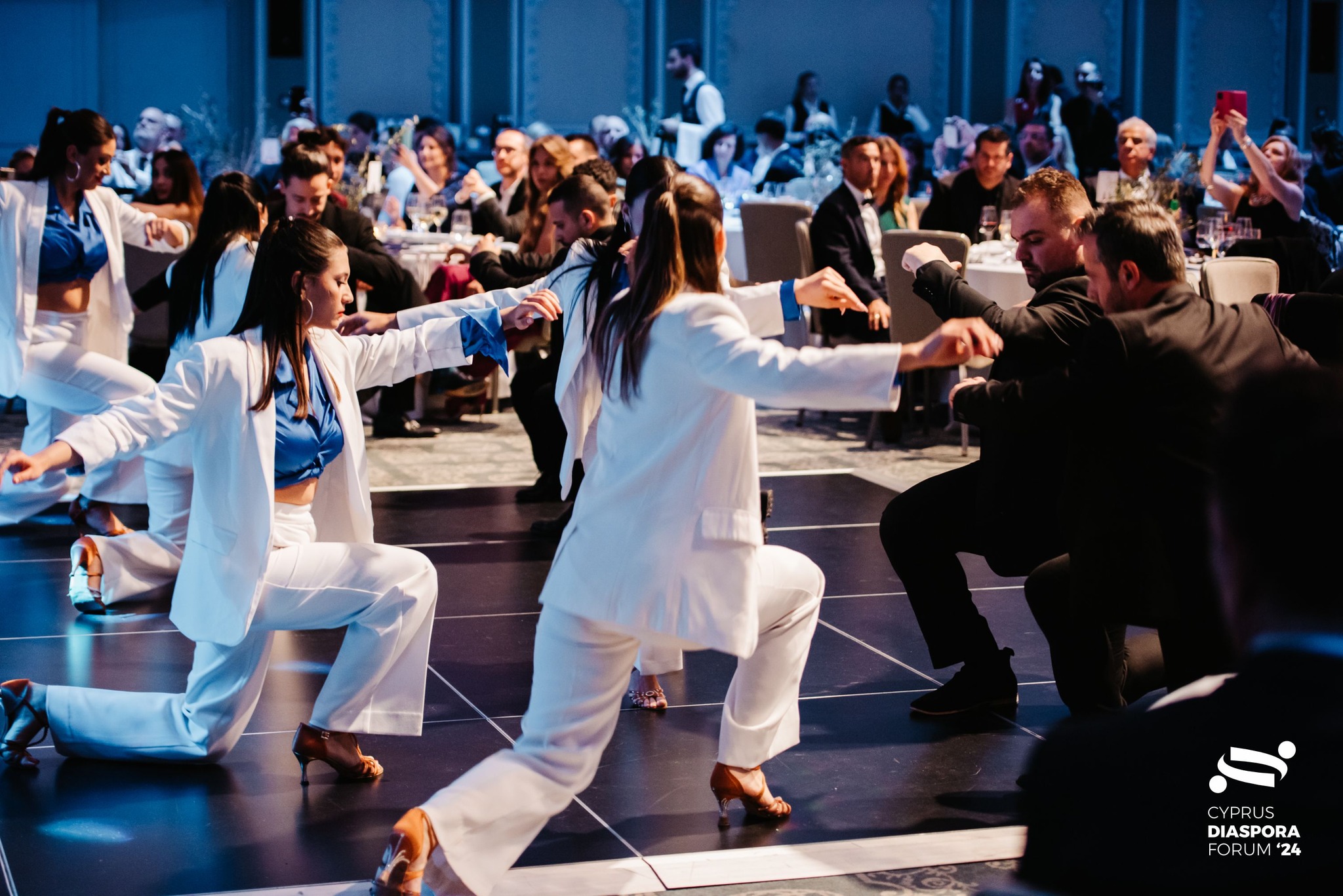
The event concluded with an impressive gala dinner attended by more than 350 people, with a rich entertainment programme, referencing the Cyprus traditions and notable local artists who are making waves in Europe. The gala also included the 1st CYDIA Awards, given to individuals who have made their mark on the global stage. The Lifetime Achievement Award was given to Mrs Tasoula Hadjitofi, “The Icon Hunter,” who is renowned worldwide for her work combatting art trafficking. In 1997, she coordinated “The Munich Case,” one of the largest art trafficking sting operations in European history since WWII. More than 5000 artifacts were found hidden in the double ceilings and hollow floors of the Munich apartments of Aydin Dikmen, a Turkish dealer known as “The Archaeologist.” Tasoula’s work as a campaigner to protect the world’s cultural heritage spans over 30 years.
The Cyprus Diaspora Forum generated a wave of positive buzz, captivating participants and garnering significant attention from local and global media outlets. Fueled by this success, the Forum’s founders are already charting a course for year two, promising an even grander event in 2025.